Planning · November 1, 2026
Before You Confirm the Date: Four Details That Shape a Wedding at a Private Property
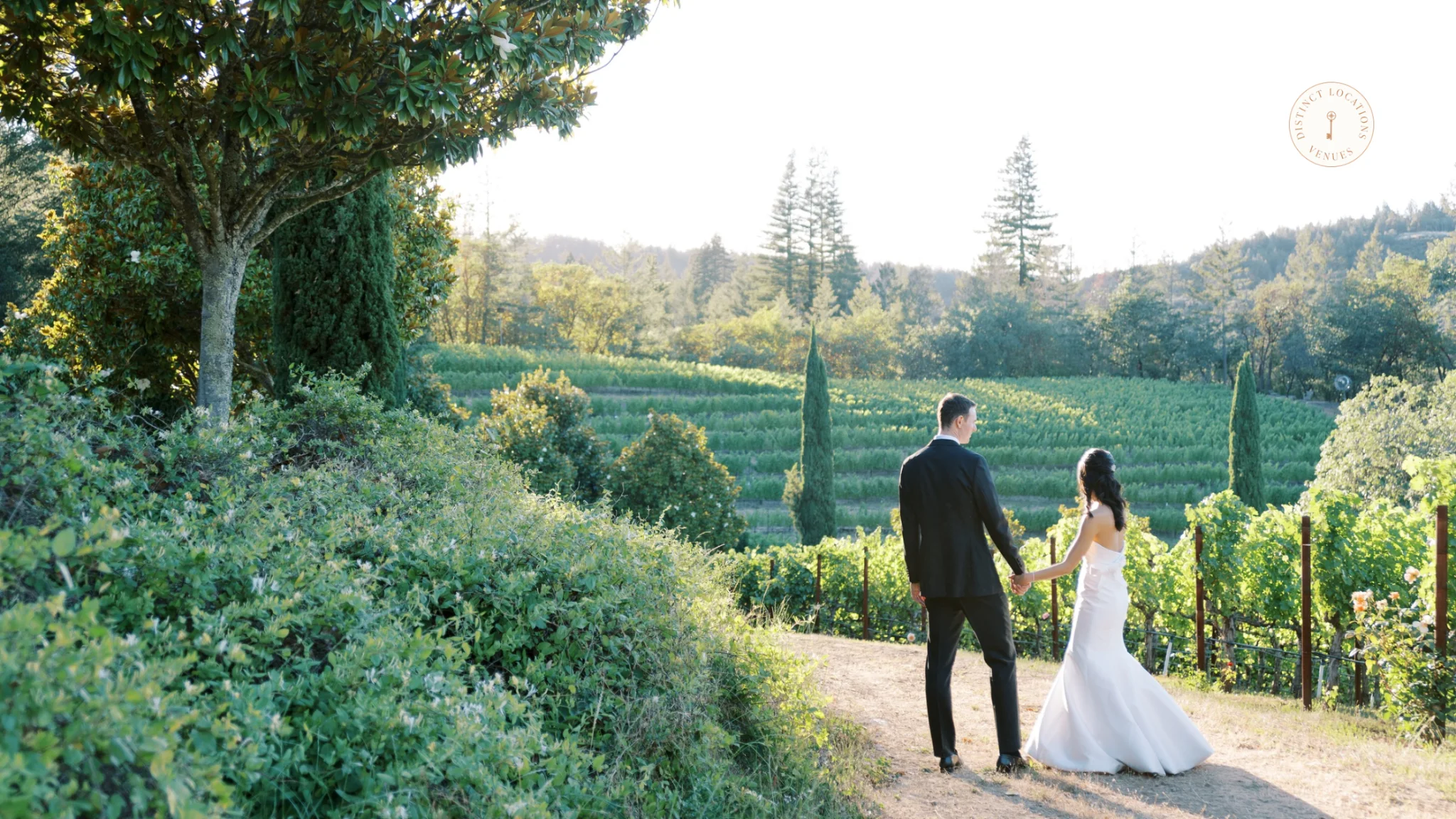
Choosing a wedding property is about more than finding a beautiful setting. The architecture, landscape and atmosphere matter, but so does the way the property can support the celebration being planned around it.
For couples considering a private estate, vineyard, ranch or countryside property, the planning process often involves a different set of questions. The date, the people travelling to attend, the ceremony arrangements and the personal details being incorporated into the day all influence how the property will be experienced.
Before confirming a venue, there are four areas worth discussing.
1. Think Beyond One Wedding Date
It is natural to begin the venue search with a particular date in mind. It may be connected to an anniversary, a meaningful family occasion or simply the time of year a couple has always imagined getting married.
However, having some flexibility can make the search more productive.
Rather than considering only one Saturday, couples can explore a preferred month, season or alternative day of the week. This creates more opportunities to compare properties and understand what may be available.
The setting itself should also influence the decision. A vineyard, an estate with mature gardens and a countryside ranch can each offer a different atmosphere throughout the year. The landscape, daylight, weather conditions and surrounding environment may change how the celebration is planned.
When enquiring, share your first-choice date as well as any alternatives you would genuinely consider. Ask about availability for each option before making a decision.
The goal is not simply to find an open date. It is to find a date that works for the property, the celebration and the people attending.
2. Consider the Journey Your Guests Will Make
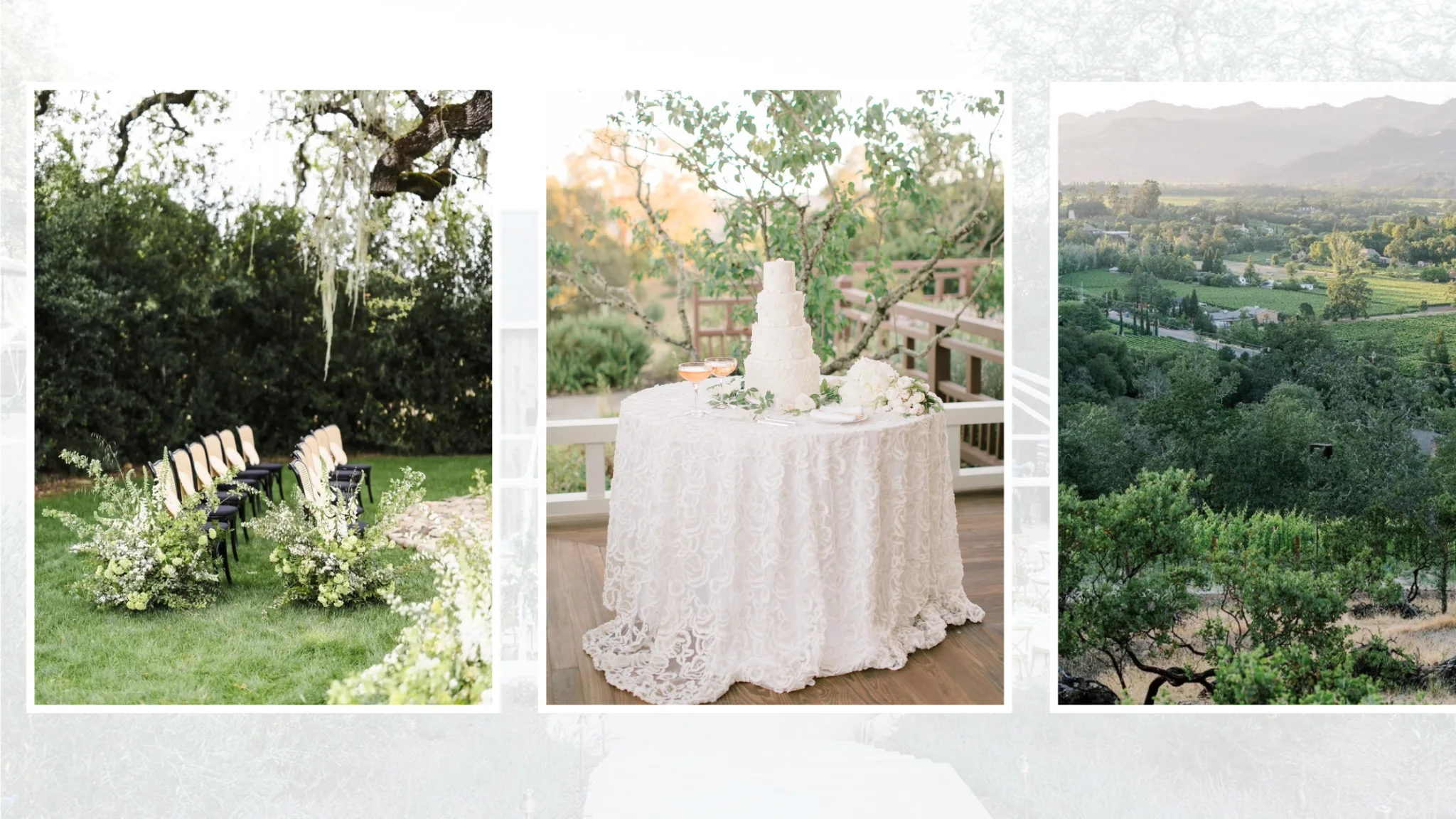
A wedding at a distinctive property can become a memorable destination for guests, particularly when the setting is outside a familiar town or city.
But the experience begins well before guests arrive at the ceremony.
Consider where guests will be travelling from, how far the property is from nearby accommodation and what transportation arrangements may be needed. If people are flying in, information about the nearest airports and realistic driving times can help them plan ahead.
It is also worth thinking about how information will be shared. A wedding website or guest information page can bring together accommodation suggestions, directions, transportation details, dress guidance and the event schedule.
For properties in more remote locations, clear directions and arrival instructions become especially useful.
Couples should discuss the practical arrangements with their planner and relevant vendors rather than assume that accommodation or transportation is provided by the property. Every location has its own arrangements and possibilities.
A little preparation helps guests feel considered and gives them more time to enjoy the celebration itself.
3. Give the Rehearsal a Clear Purpose
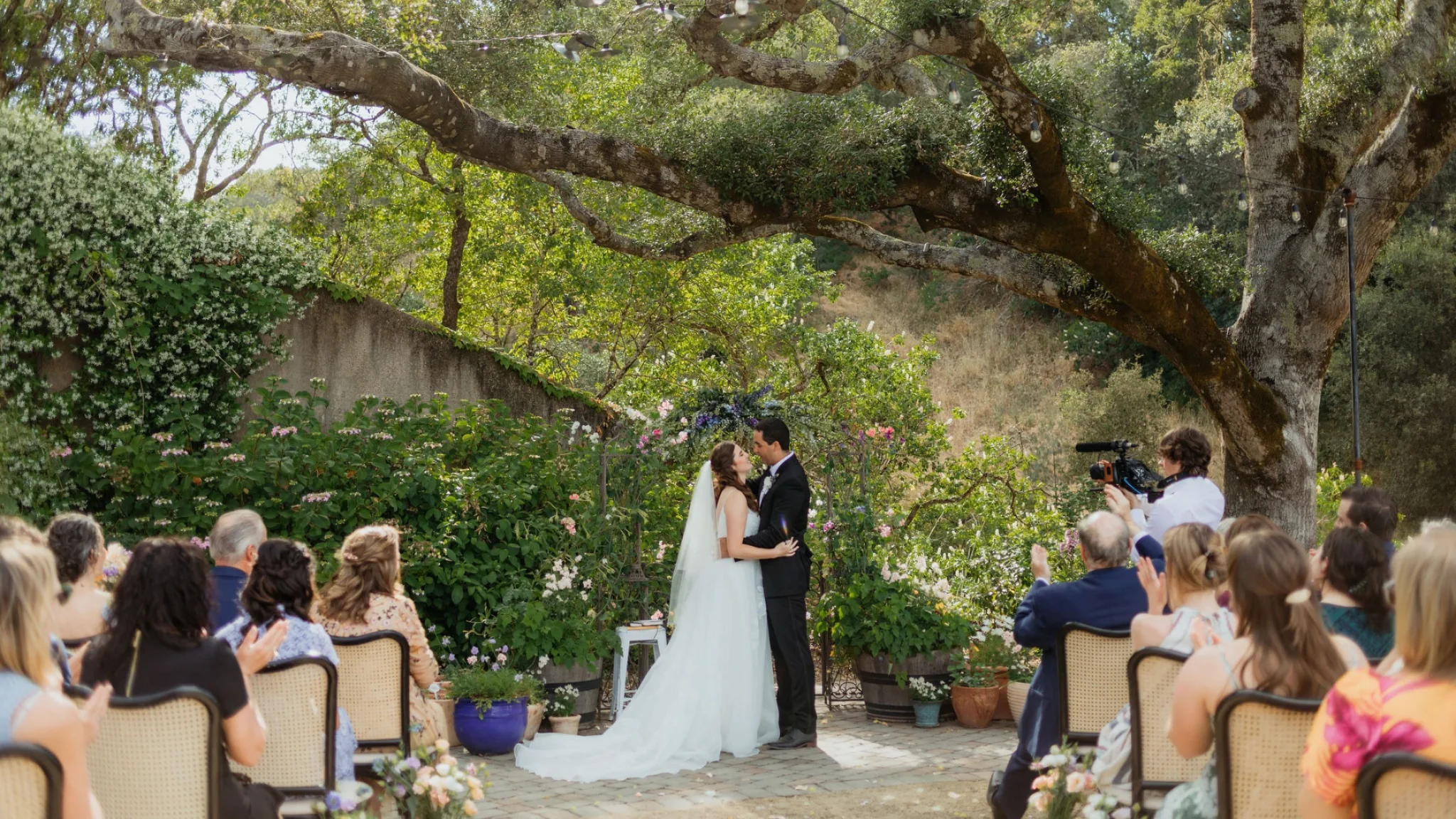
The rehearsal is often treated as a short item on the wedding schedule, but it can make an important difference to how comfortably the ceremony unfolds.
It gives the couple, wedding party and participating family members an opportunity to understand the sequence of events before the actual day.
Consider who will be walking down the aisle, where everyone needs to stand, how the entrances will be coordinated and who will be responsible for any readings or special moments.
For larger wedding parties or ceremonies involving several family traditions, these conversations can be particularly valuable.
The rehearsal also gives the planner and ceremony team an opportunity to review timing, transitions and any practical requirements.
When choosing a private property, ask whether rehearsal access is possible, what times are permitted and whether additional arrangements or fees apply. Access should always be confirmed rather than assumed.
A well-planned rehearsal does not need to be complicated. Its purpose is to make sure everyone understands their role, allowing the ceremony to feel natural rather than overly directed.
4. Make Space for the Details That Matter
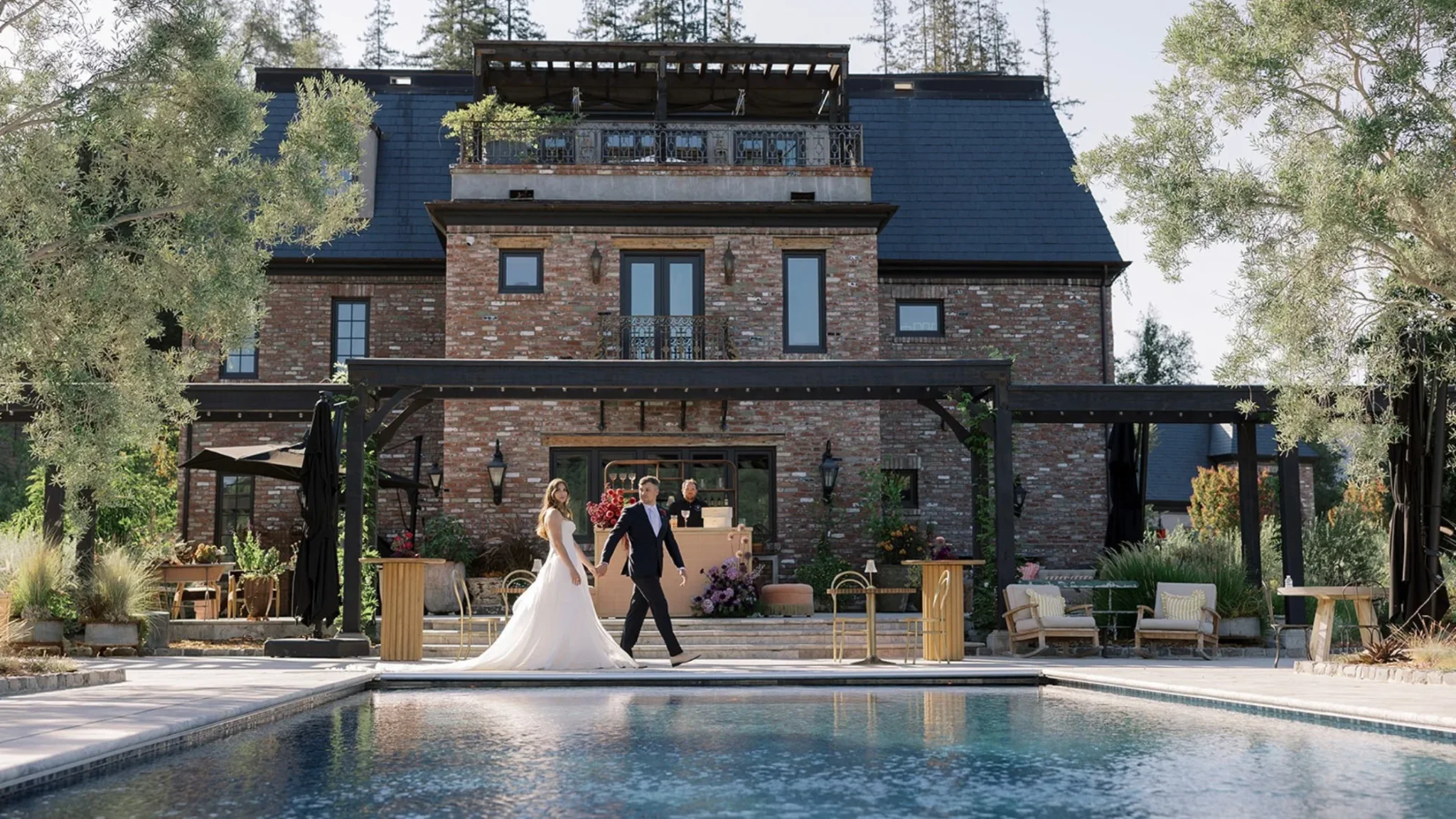
Not every meaningful wedding detail needs to be newly purchased or specially designed.
A family heirloom, a piece of jewellery passed between generations, a traditional ceremony element or an object with personal significance can bring a deeper sense of connection to the celebration.
These details often deserve consideration early in the planning process.
Think about how an heirloom might be incorporated into the ceremony, getting-ready moments or reception. If it is a delicate or valuable item, consider who will look after it and when it will be needed.
Family traditions also deserve thoughtful discussion. Couples may want to include particular rituals, music, cultural elements or moments involving relatives. These can influence the ceremony layout, timing, sound requirements and the way different parts of the celebration are arranged.
This is where the character of a property can become especially meaningful. A garden, courtyard, terrace or architectural feature may provide a fitting setting for a personal moment without requiring the entire space to be transformed.
The important thing is to discuss the intended use of each area with the property team and planner, including any restrictions or additional requirements.
Bring the Details Together Before You Book
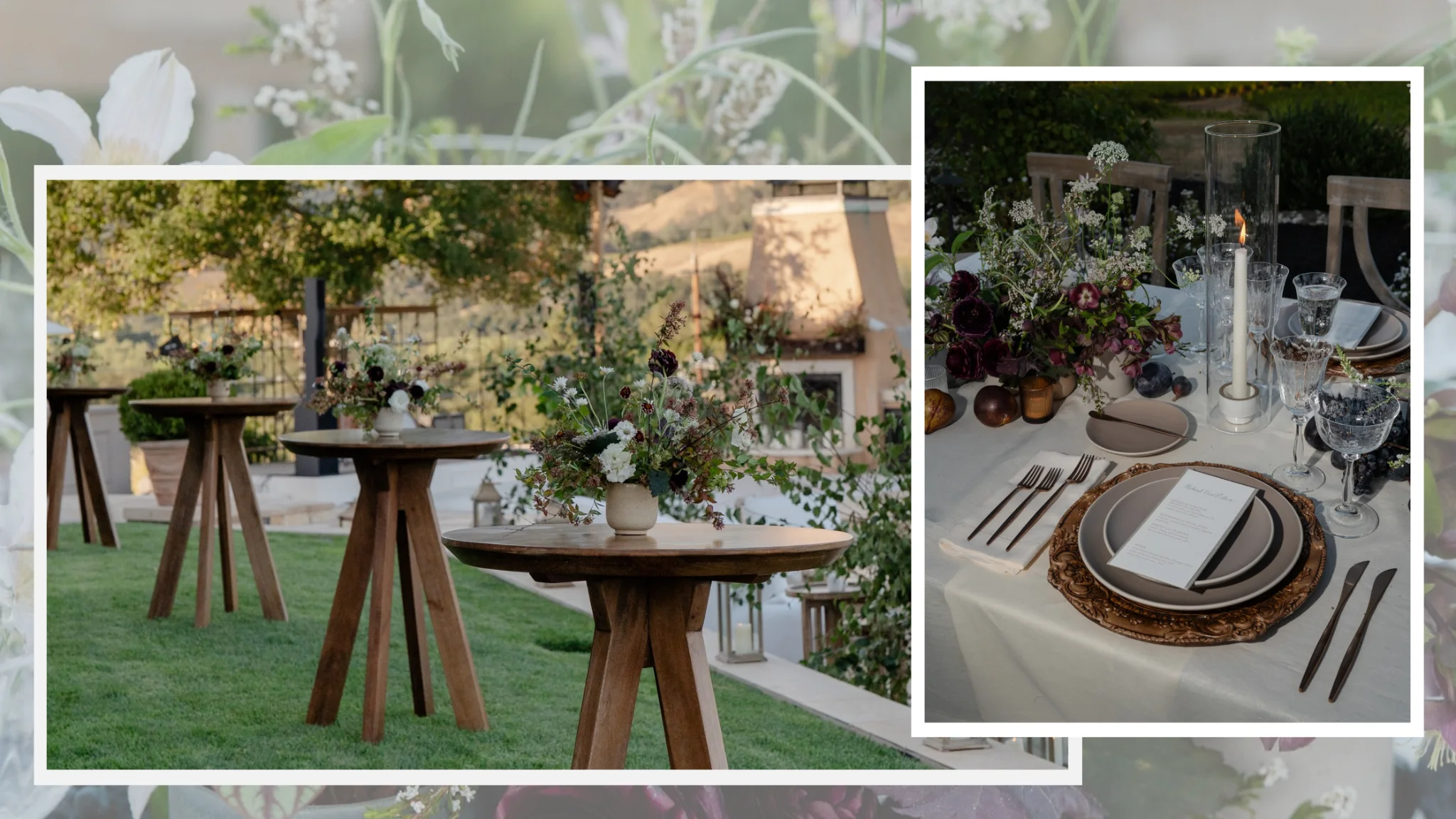
A wedding property should be considered in the context of the celebration it will host.
A preferred date, the needs of travelling guests, the ceremony schedule and the personal details being incorporated into the day are all connected. Looking at these elements together can help couples ask better questions and make more informed decisions.
Every private property has its own character, availability, operating arrangements and possibilities. Some may offer several distinct areas for different parts of a celebration, while others may require additional planning, rentals or outside vendors to bring the event together.
Before confirming a booking, understand the venue fee, what it covers, the permitted event hours, access arrangements and any additional requirements. Discuss the practical details with the property representative and your planner so expectations are clear.
At Distinct Locations, we believe the right setting should complement the celebration rather than dictate every detail of it. The most rewarding venue search begins with understanding not only what a property looks like, but how its spaces, character and possibilities align with the wedding being planned.
Browse our venues
Tell us what matters most and we will match you to the perfect venue — start an inquiry or view the full property directory.
Related reading
Napa and Sonoma Wedding Transportation: A Thoughtful Shuttle Plan
Start with where guests are staying, then work backward from the ceremony — a practical approach to arrivals, rural venue access and the journey home.
Where Should Wedding Guests Stay in Wine Country?
Where wine country wedding guests should stay — town-by-town lodging near Napa and Sonoma venues, room-block tips and how to plan shuttles.